
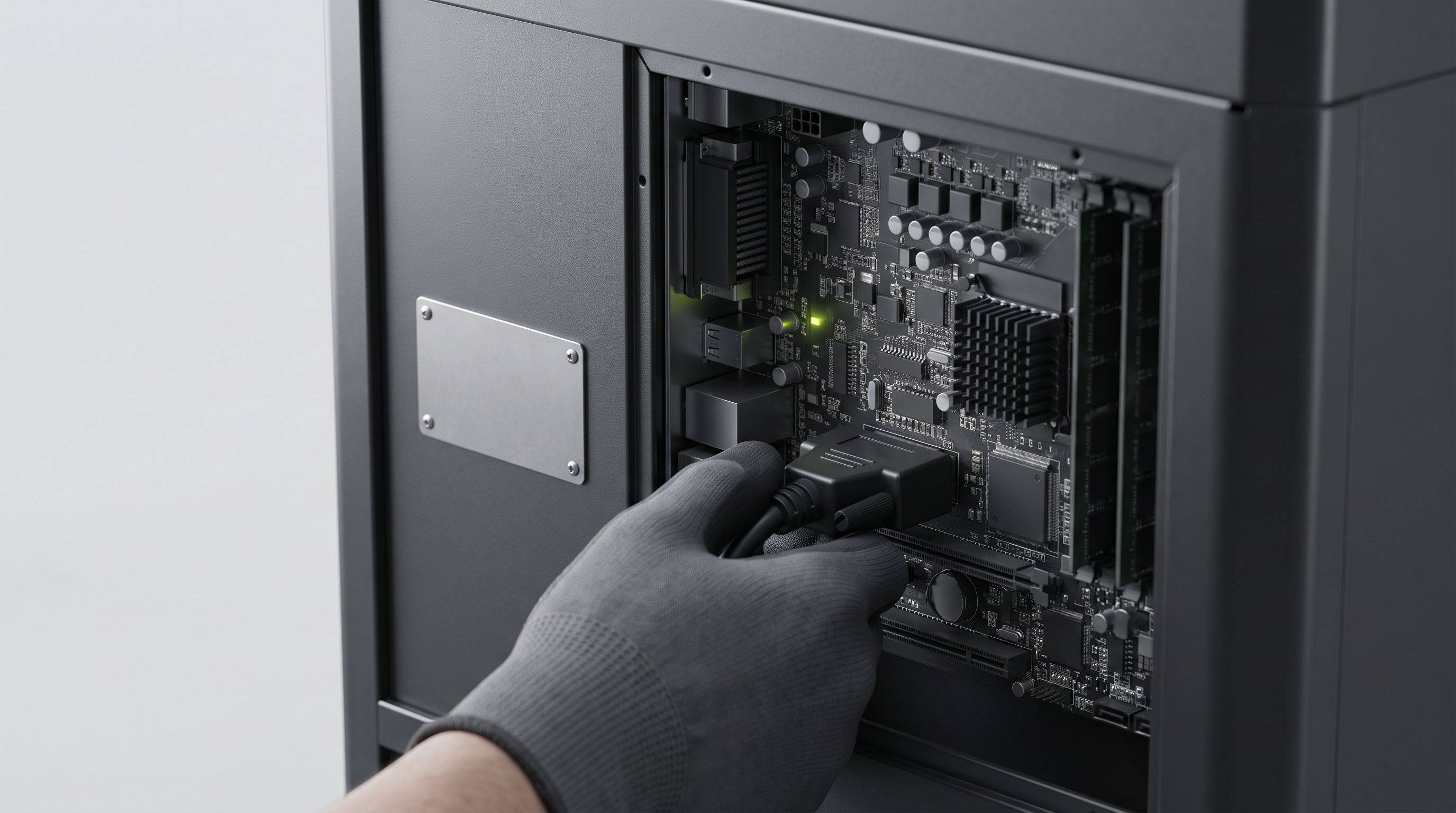
Connected skill machines bring software and remote access into an equipment purchase. Before accepting a cabinet, a business should be able to identify its software, understand who can change it and find the person responsible when support is needed. Those questions are useful even when the buyer does not have a dedicated technology team.
The checklist below applies general National Institute of Standards and Technology guidance to connected gaming equipment. It is an editorial procurement tool. NIST's publications do not approve a game, certify a vendor or establish that a cabinet is lawful in a particular state.
Use a baseline, then ask for product-specific evidence
NISTIR 8259A, published in May 2020, describes a core baseline of Internet of Things device cybersecurity capabilities. It covers device identification, configuration, data protection, logical access to interfaces, software updates and awareness of cybersecurity state.
Those categories provide a useful way to organize questions. They are not evidence that a supplier's product implements any particular control. Ask for a demonstration, a manual or a written description tied to the offered model and version.
Can you identify every installed machine?
Keep an inventory linking each physical cabinet to its manufacturer, model, serial number, location and software version. Identify the responsible owner and service contact. Record the configuration accepted at installation and the procedure for reporting a mismatch.
This is a suggested operating practice derived from the identification question. The benefit is practical: a notice about a particular version can be matched to the installed equipment, and a technician's changes can be checked against the correct cabinet.
Who can connect and make changes?
Ask which interfaces exist, which remote services are necessary and who controls administrative access. Clarify how access is granted, removed and recorded when a distributor or technician changes. Have the vendor explain how unnecessary interfaces can be disabled through supported procedures.
Request an account of how the product protects configuration and operational data. A statement that a machine is “secure” is too broad to serve as an acceptance criterion. A demonstration showing who can view or alter a setting answers a narrower, testable question.
How are updates delivered and documented?
Ask the supplier to describe its supported update process: who authorizes an update, how the device accepts legitimate software, what release notes are provided and how a failed update is handled. Clarify whether restoration to an earlier supported version is possible and who is authorized to do it.
Do not improvise firmware changes or bypass the manufacturer's controls. An update that changes operation may also require review of the device's legal and technical documentation. Security maintenance and jurisdiction-specific game configuration need coordinated ownership.
For each service event, our suggested record includes the date, affected machine, person performing the work, version before and after, reason for the change and verification performed. Preserve accounting records through the agreed service process rather than discovering after replacement that necessary reports are unavailable.
What support continues after the sale?
NISTIR 8259B, published in August 2021, addresses nontechnical supporting capabilities. That provides a reason to ask about documentation, support communications and how customers can report problems.
Request a named vulnerability-reporting channel, an escalation contact and the expected support lifetime. Ask how end-of-support notices are delivered and what happens if a component supplier stops maintaining part of the product. These answers belong in the purchasing record, not only in a conversation at installation.
NISTIR 8259 Revision 1, finalized in April 2026, updates the foundational guidance for IoT product manufacturers. It describes recommended activities to help manufacturers provide cybersecurity functionality and supporting information. It is broader manufacturer guidance, not a recent gaming rule.
Turn the answers into acceptance checks
Before accepting equipment, choose a short set of checks the supplier can demonstrate: identify the installed version, show authorized access, explain the update process, retrieve an agreed report and locate the support instructions. Document any unresolved item and who will resolve it.
Use this technology record with the commercial vendor checklist. For a Texas location, the primary-source guide explains the separate legal records to review. A well-documented cabinet still needs an assessment of the rules applicable to its actual use.
Sources checked September 9, 2026. Produced with AI assistance and checked against the cited materials. This is editorial information, not a legal opinion on a particular machine or business.